Getting started with email marketing
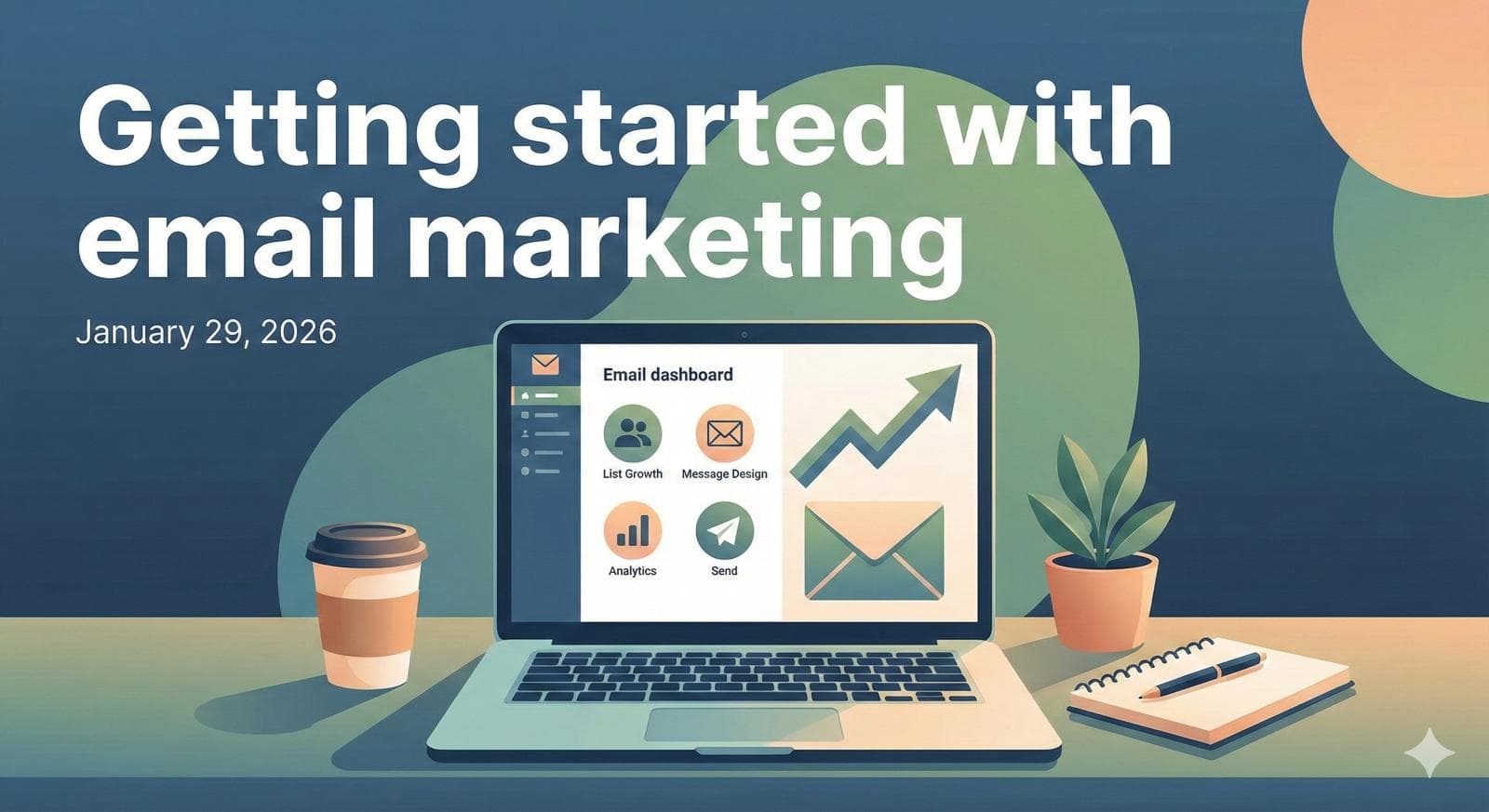
Email marketing remains one of the most cost-effective channels for customer acquisition and retention. A focused approach to list growth, message design, and analytics can improve open rates, click-through rate and conversion without large ad spends. This guide covers core concepts such as consent, segmentation, deliverability, automation and performance metrics to help you launch consistent campaigns with measurable outcomes.
Begin with clear goals for your email strategy: increase trial signups, nurture leads, recover cart abandonments or retain customers. Combine an email service provider, clean data practices and simple automation to build predictable workflows. Compliance with opt-in rules and privacy regulations protects deliverability and long-term sender reputation.
Why email matters
Email delivers direct access to people who have expressed interest in your brand, making it ideal for driving repeat visits and conversions. Compared with social or search, email campaigns give you more control over timing, audience segmentation and message testing. Performance indicators such as open rate, click-through rate and conversion rate provide clear signals for optimization.
Return on investment for email often exceeds other digital channels when lists are well maintained and messages are relevant. Strong list hygiene, proper authentication and attention to bounce and unsubscribe metrics protect sender reputation and inbox placement. Use analytics to link campaign activity to revenue and lifetime value for a data-driven rationale to scale.
Build your list
Start with explicit opt-in methods to ensure consent and higher engagement. Collect addresses through signup forms, gated content, webinars and checkout flows. Prioritize a double opt-in option if regulations or deliverability concerns require clear confirmation. Clear value propositions and concise signup forms increase conversion while maintaining list quality.
Focus on list quality over raw size. Remove inactive addresses periodically, monitor bounce rates and respect unsubscribe requests. Integrating your email platform with CRM and ecommerce systems allows consistent data for segmentation and personalization, improving relevance and downstream conversion.
Opt in
Design signup paths that set expectations for frequency and content. Use microcopy on forms to state what subscribers will receive and how often. Offering a sample newsletter or a preview of gated content helps set expectations and reduces early unsubscribes.
Implement consent records and timestamped opt-ins for compliance with privacy regulations such as GDPR. Maintain a clear privacy policy and provide simple methods to update preferences. These practices preserve trust and sustain deliverability over time.
Segmentation
Segment based on behavior, demographics and lifecycle stage to increase engagement. Common segments include new subscribers, active buyers, lapsed customers and high-value accounts. Tailored messaging improves relevance and increases click-through and conversion rates compared with one-size-fits-all broadcasts.
Use engagement metrics and purchase history to create dynamic segments that update automatically. Segmentation also supports targeted automation such as welcome series, cart recovery and re-engagement flows to move subscribers along the funnel efficiently.
Design messages
Clear structure, concise copy and strong calls to action are essential for effective email campaigns. Mobile-friendly templates and a visual hierarchy help recipients scan content quickly. Keep subject lines and preheaders aligned with the message for consistent expectations and higher open rates.
Balance promotional content with helpful resources to sustain long-term engagement. Maintain brand voice while optimizing for readability and accessibility. Test layout variations to see what drives the best click-through and conversion outcomes across devices and clients.
Subject line
Subject lines determine whether your message is seen. Aim for clarity, relevance and urgency when appropriate. Avoid misleading language and excessive punctuation, as those patterns can harm deliverability and trust.
Use personalization tokens judiciously and include a preview text that complements the subject. Monitor open rates by segment and adjust subject line strategies based on audience behavior and campaign goals.
Personalization
Personalization extends beyond a name token. Use behavioral triggers, past purchases and engagement history to deliver contextually relevant offers. Dynamic content blocks can tailor sections of an email for different audience segments within a single campaign.
Respect privacy and set fallbacks for missing data to avoid awkward or broken content. Track lift from personalized campaigns to justify additional data collection and integration work with your ESP or CRM.
Send and test
Scheduling and frequency impact engagement. Establish a sending cadence that matches audience expectations and business needs. Over-mailing can increase unsubscribes while under-mailing may reduce brand recall and conversion opportunities.
Use staged rollouts and sampling to test major changes. Gradual increases in send volume help monitor deliverability signals and sender reputation so you can react to unexpected bounce or complaint rates before wider distribution.
Deliverability
Authentication protocols such as SPF, DKIM and DMARC protect inbox placement and reduce fraud risk. Monitor bounce rates, spam complaints and sender score to gauge inbox health. Maintain a consistent sending domain and IP reputation to improve long-term results.
Keep an eye on engagement-based filtering by ISPs. Re-engagement campaigns can recover interested users, while suppressing persistently inactive addresses prevents negative deliverability impacts. Use suppression lists and unsubscribe options consistently.
A/b testing
Test one variable at a time to attribute performance gains accurately. Common tests include subject lines, send times, creative layout and calls to action. Run tests on representative samples and use statistically significant results before applying changes broadly.
Document test results and iterate. Over time, a testing program builds a repository of learnings about what drives open rate, click-through and conversion for your audience. Leverage those insights to refine templates and segmentation strategies.
Measure results
Track opens, clicks, conversions, revenue per email and unsubscribe rates as primary performance metrics. Use campaign tagging and UTM parameters to attribute conversions in web analytics. Segment reporting to understand which audiences and messaging types deliver the highest ROI.
Set benchmarks for key metrics and review them regularly. Use cohort analysis and lifetime value calculations to assess the long-term impact of campaigns and automation. Share clear dashboards with stakeholders to guide budget and resource decisions.
Conclusion
Getting started with email marketing requires a mix of technical setup, content strategy and measurement. Prioritize list quality, relevant segmentation and reliable deliverability practices to create campaigns that generate measurable results. Small, consistent improvements in subject lines, personalization and testing compound into stronger engagement and revenue over time.
Adopt a regular review cycle for performance and maintain compliance with consent and privacy standards. With a disciplined approach to data, automation and creative testing, email can become a dependable channel for growth and retention.